


Navigating Earnings Season: A Preview of Earnings…from Earnings
Published October 10, 2024

Samuel Rines
Macro Strategist, Model Portfolios
Key Takeaways
- Nike’s earnings reveal ongoing struggles with lower sales volumes, particularly in China, despite higher average selling prices, highlighting potential consumer softness even before recent stimulus efforts.
- Conagra’s shift from “price over volume” is becoming problematic, as both price and volume declines suggest broader challenges for consumer goods companies navigating a less forgiving market environment.
- Constellation Brands outshined peers by leveraging competitor setbacks, achieving higher volumes and better pricing while reinvesting improved margins into marketing to strengthen brand positioning.
Earnings season never really ends. There are times when the number of reports feels like an inundation and times when there are only a handful of companies reporting. There is never a break from the announcements—simply a slowdown. And—while currently in a lull—the last week has seen a few useful releases. To a degree, these were overshadowed by the relatively short strike by the longshoreman’s union and the ongoing escalation of the conflict in the Middle East.
That does not mean they should be ignored. In fact, they are a sort of “earnings preview” for the onslaught to come in a couple of weeks.
Nike was one of those reporting, and it was a miserable one, particularly when it came to its commentary on China.

Source: Nike Earnings Call, 9/10/24 (emphasis added).
One of the more efficacious ways of judging the health of a retailer is traffic. Less traffic means fewer consumers. One of the (only) bright spots was that Nike reported higher average selling prices (ASPs). That might be a good thing when traffic returns, but it is not enough for the moment.
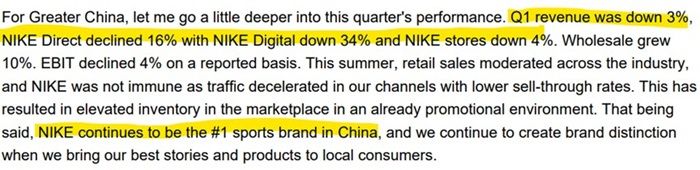
Source: Nike Earnings Call, 9/10/24 (emphasis added).
Fewer sales, elevated inventory and more promotions are not the best mix for a retailer. And—when it is specifically being attributed to a large, supposedly growth market—it is a more striking statement. Notably, this was the Olympics quarter. That says something about the state of the sports market, but it also indicates a soft China consumer. Yes, this was before the various stimulus announcements. But it should raise an eyebrow about the commentary to come from U.S. businesses on their performance in China.
Then comes Conagra Foods. With products ranging from frozen foods and veggies to meat sticks and popcorn, Conagra has exposure to a variety of end markets. For the past couple of years, the company had largely been of a “price over volume” mindset, with price increases compensating for volume declines. That is no longer working.
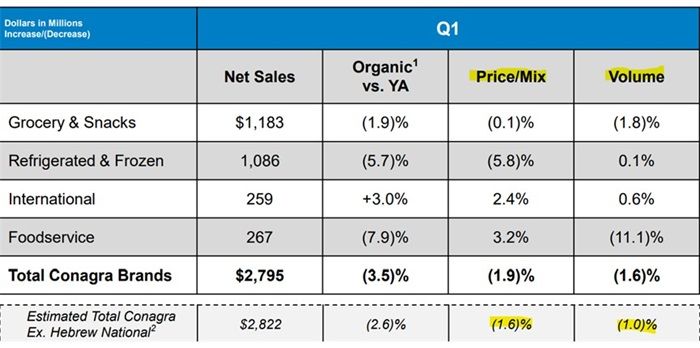
Source: Conagra Investor Presentation, 10/2/24 (emphasis added).
For many consumer packaged goods companies, there was no need to fret about volume declines for the past couple of years. The dynamic is far from Conagra-specific. The combination of volume and price decline is not going to be Conagra-specific. There will be others unable to find the volumes to compensate for the lack of pricing. There will be execution differentials, and that is going to increasingly matter in the coming quarters.
But then there is beer. Specifically, Constellation Brands and its Modelo product, which benefited from competitor missteps and leaned into its marketing to reap the rewards. Constellation’s report (on the beer side of the business) was the polar opposite of Conagra’s—better pricing with better volumes. It is a rather simple equation for higher revenues.
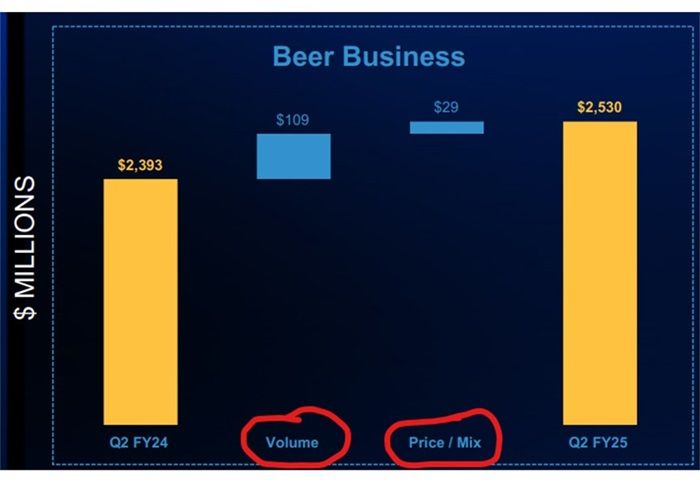
Source: Constellation Brands Investor Presentation, 10/3/34 (emphasis added).
That is not the whole story, though. It also leads to better margins. The margin improvement started with volume/price/mix (VPM) but was accentuated by a decline in the cost of goods sold (the commodities used to make beer). What did they do with some of those newfound margin dollars? Invested in marketing. The guidance? There will be more investment in marketing in the coming year. That is the definition of brand investment.
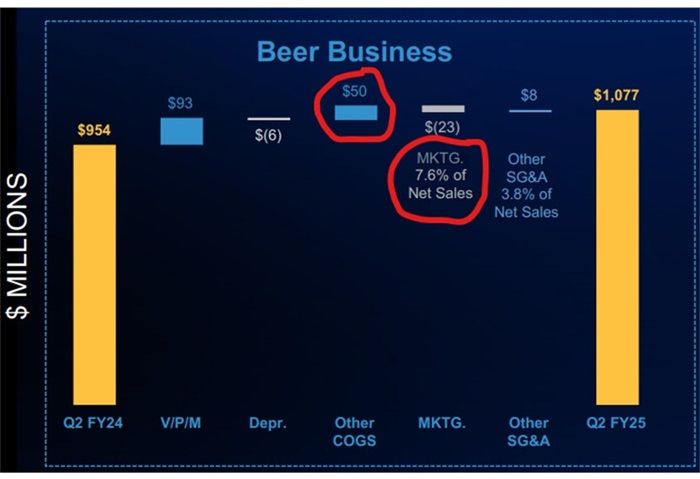
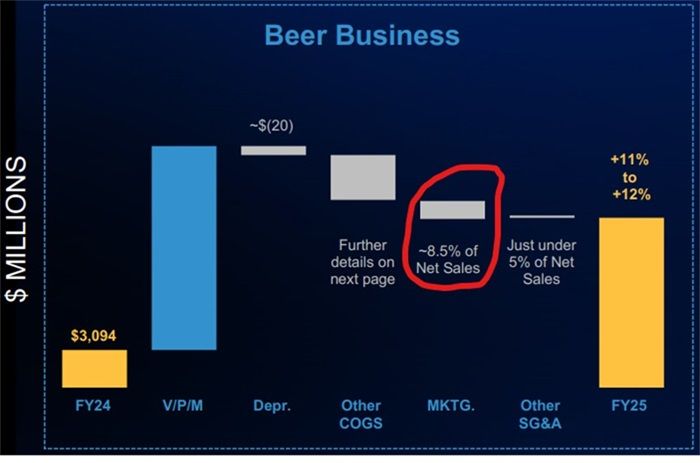
Source: Constellation Brands Investor Presentation, 10/3/24 (emphasis added).
Even the aforementioned Nike has been trying to get going through marketing spend. That “demand creation” spending has not exactly filtered through to revenues, but it was up by 15%. That is not trivial, and it is indicative of what many consumer-facing businesses are doing to “get back the volumes.”

Source: Nike Quarterly Earnings Press Release, 10/1/24 (emphasis added).
Increasingly, the question about the health and outlook of the U.S. consumer is being raised. Carnival Cruise Line had a few things to say about the topic. The readthrough from the commentary was unambiguously positive. Bookings are stronger than ever at better prices than ever. Taking the Carnival report at face value makes it difficult to argue that the consumer is in significant trouble—or any trouble at all.

Source: Carnival Cruise Lines Quarterly Earnings Release, 9/30/24 (emphasis added).
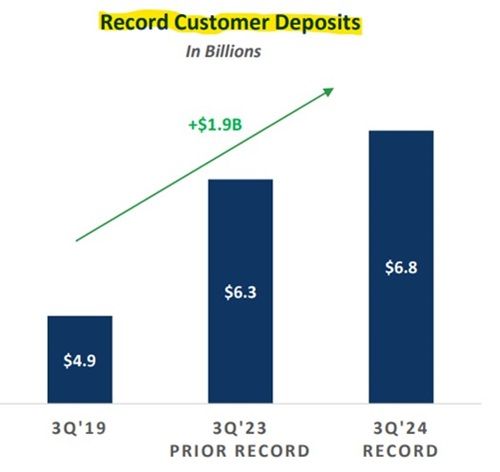
Source: Carnival Cruise Lines Investor Presentation, 9/30/24 (emphasis added).
Utilizing these as a guide for “what to watch for” this earnings season is a useful exercise. There will be numerous undercurrents, but there are a few things to focus on when parsing the coming earnings deluge. How difficult is the transition from “price over volume”? Are volumes coming back (slowly and steadily), or is there a persistent struggle? What is the dynamic around the “promotional environment”? (If Conagra and Nike are any indication, that could be an emerging theme.) How much are the PoV to PAM winners (see Constellation Brands) spending on brand building? Are the major platforms continuing to see persistent demand for their advertising services?
Other themes will emerge. And listening to what companies are saying (whether positive for their stock prices or negative) will be illuminating—it always is.
Categories
About the contributor

Samuel Rines
Macro Strategist, Model Portfolios
Samuel Rines is a Macro Strategist at WisdomTree, where he extends the firm's custom model portfolio management capabilities. Before joining WisdomTree in 2024, he was the Managing Director at CORBU, LLC, leading the PolyMacro advisory product. With over a decade of experience in economics and finance, Samuel has held significant roles such as Chief Economist at Avalon Investment & Advisory and Economist and Portfolio Manager at Chilton Capital Management LLC. He is also the author of "After Normal: Making Sense of the Global Economy," and holds a Master’s degree in Economics from the UNH Peter T. Paul College of Business and Economics, as well as having studied Economics at the University of Oxford.